Designing Futures That Welcome Everyone
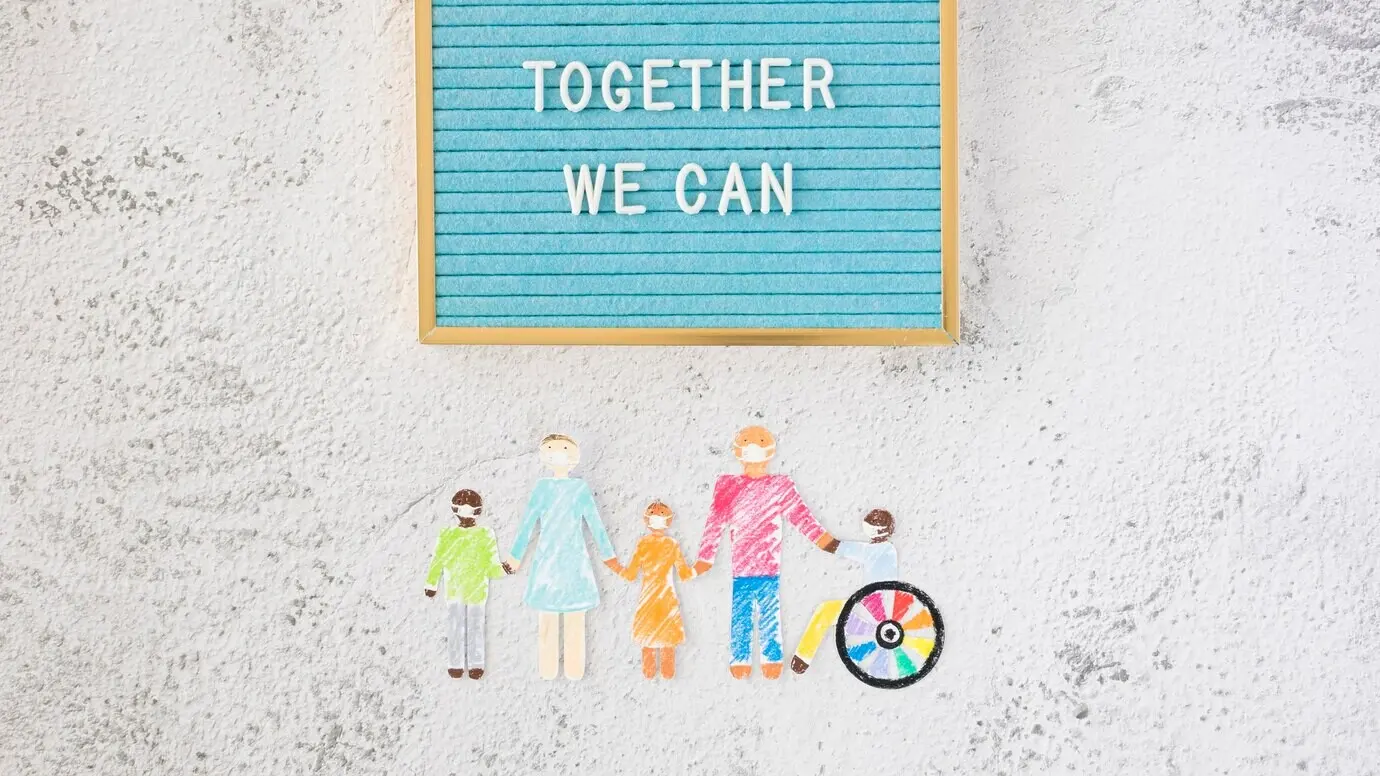

Today we explore Inclusive Scenario Design for Diverse Career Pathways, a practical and humane approach that builds learning and guidance experiences reflecting real people’s lives, constraints, and ambitions. Expect methods you can apply immediately, stories that reveal why details matter, and prompts to co-create with learners, educators, and employers. Subscribe, comment, and return often as we prototype equitable choices, test assumptions together, and turn guidance moments into meaningful, confidence-building steps toward opportunity.

Foundations That Center People, Not Assumptions

Before any storyboard is sketched, we ground design decisions in lived experience, structural realities, and intersectional identities. This means recognizing unequal access, honoring community knowledge, and translating insights into respectful choices. The goal is simple yet demanding: build pathways that acknowledge obligations, culture, disability, and financial pressures without lowering expectations. Join the conversation and share what barriers you face so we can codeign strategies that turn invisible friction into navigable steps toward dignity, growth, and sustainable careers.

Research and Co-Creation That Share Power

Trust grows when research is done with people, not to people. Co-creation treats participants as experts of their context, compensating their time and safeguarding privacy. We structure interviews that welcome nuance, workshops that iterate quickly, and synthesis that checks interpretations with contributors before any decision locks in. If you have stories about advice that failed to account for your reality, share them. Your insights can reshape prompts, choices, and supports so others avoid the same detours.

Interviews That Feel Safe

Psychological safety begins with consent, clarity, and control. Explain how data will be used, allow pausing anytime, and offer options for anonymity. Use trauma-informed practices, open-ended questions, and flexible formats including chat, voice, or asynchronous prompts. When someone shares a sensitive moment, honor boundaries and resist extracting drama. Safety improves candor, and candor improves scenarios that reflect real decisions under pressure, including transportation costs, childcare constraints, and employer schedules that change without warning.

Co-Design Workshops With Purpose

Effective co-design balances creativity with structure. Begin with shared goals and clear roles, then prototype relentlessly using paper, sticky notes, and simple click-throughs before writing a single polished sentence. Rotate facilitation, invite dissent, and capture overlooked ideas from quiet participants using anonymous boards. Close each session by agreeing on what changes tomorrow. Measurable momentum builds trust, demonstrating that contributions shape characters, branching logic, guidance nudges, and the supports learners actually prefer using in stressful moments.

Crafting Scenarios That Reflect Real Choices

The best scenarios feel familiar yet revealing, offering branching paths where tradeoffs are explicit and consequences understandable. Represent full lives, not isolated decisions: transportation, family care, health, identity, language, and finances. Design moments that build agency, showing how small steps compound into momentum. Include ways to pause, rewind, and retry without shame. Share your toughest decision points, and we will translate them into navigable choices that reduce uncertainty while protecting dignity.

Branching Paths With Consequences

Great branching design clarifies tradeoffs without moralizing. Choosing a night class might increase fatigue but preserve daytime wages; a certification may open doors yet require temporary debt. Make time, money, wellbeing, and belonging visible, then track outcomes across paths. Offer recovery options rather than dead ends, highlighting tutoring, microgrants, or flexible scheduling. By modeling realistic consequences and supports, learners practice negotiating constraints while keeping long-term goals firmly within sight.

Authentic Characters, Contexts, and Constraints

Authenticity emerges from details: a bus transfer that risks lateness, a supervisor’s shifting shifts, or a cultural festival that matters more than extra hours. Characters should carry strengths and pressures, not stereotypes. Show networks of support, from mentors to peers, and acknowledge systemic barriers alongside personal strategies. Invite readers to submit character backstories, photos of study spaces, or playlist links. These textures transform abstract guidance into companionship that feels practical, affirming, and achievable today.

Iteration Fueled by Feedback

Release early, learn fast, improve continuously. Build short cycles where participants try micro-scenarios, then log friction, confusion, and emotional responses. Wire analytics to behavior that matters, like rewatching guidance or abandoning a step. After each cycle, publish changes visibly so contributors see impact. Make feedback mobile-friendly and multilingual. When people witness their suggestions shaping branches and supports, engagement deepens, and scenarios evolve into shared tools that travel with communities, not just content locked in platforms.

Accessibility Baked In, Not Bolted On

Accessibility is a design quality, not a compliance checkbox. Plan for screen readers, keyboard navigation, captions, transcripts, color contrast, and reduced-motion modes from day one. Provide offline options for low connectivity, printable guides, and minimal data usage. Respect neurodiversity with predictable patterns and optional scaffolds. Invite audits from disabled creators and compensate appropriately. When experiences are accessible by default, everyone benefits, and the path from curiosity to action becomes clearer, kinder, and faster.

Measuring What Matters for Equity

If we only count completions, we miss whether people felt respected, informed, and capable. Define metrics that illuminate fairness: time to clarity, reductions in anxiety, access to supports, and distribution of outcomes across groups. Pair numbers with narratives to understand why changes work. Share dashboards transparently and invite critique. When measurement elevates dignity alongside performance, decision-makers invest in improvements that endure, and learners see evidence that their feedback guides priorities, not just headlines.
Track gaps in understanding before and after scenarios, disaggregate results responsibly, and monitor who benefits from added supports. Include measures of psychological safety, self-efficacy, and perceived relevance. Watch drop-off points for patterns tied to bandwidth, language, or schedule. Publish learning questions beside metrics to prevent false certainty. By centering belonging and fairness, teams catch inequities early and can course-correct with targeted scaffolds rather than generic advice that rarely reaches those who need it most.
A B tests can optimize, but ethics must lead. Avoid experiments that withhold essential supports, and always seek community oversight. Interpret results with humility, acknowledging bias, sample limits, and context shifts like seasonal work or policy changes. When in doubt, prioritize participant wellbeing over marginal gains. Share null results openly. Responsible testing deepens trust and turns iteration into a shared practice where improvement aligns with values, not just conversion charts and celebratory dashboards.
Quantitative trends show where to look; stories reveal why people hesitate, persist, or switch paths. Invite voice notes and optional journaling, then code themes transparently. Balance survival narratives with everyday wins, avoiding sensationalism. Use mixed-methods reviews to propose changes, then circle back to validate improvements. When stories and data corroborate, confidence rises. Encourage readers to submit reflections after trying scenarios, creating a living library of insights future learners can explore with empathy and agency.

From Pilot to Practice Across Programs

Pilots prove plausibility; practice proves staying power. Plan governance, training, and maintenance from the start so scenarios evolve with labor markets, admissions policies, and community needs. Establish content ownership, feedback channels, and service-level expectations. Equip advisors and instructors with facilitation guides and coaching prompts. Build partnerships with employers who offer internships and interviews aligned to demonstrated skills. Tell us where you hope to implement, and we will adapt materials to your context together.

Embedding Into Curriculum and Advising Journeys

Map scenarios to competencies, course outcomes, and advising checkpoints. Provide pacing suggestions for workshops, class sessions, or asynchronous modules. Offer printable guides for libraries and community centers. Align reflection prompts with portfolio evidence, badges, or microcredentials. Train staff to recognize when learners need supports like stipends or tutoring. Integration succeeds when experiences feel natural, timely, and connected to real opportunities that honor culture, constraints, and ambitions instead of prescribing one narrow, fragile path.

Partnering With Employers and Community Networks

Invite employers to review branches for relevance, then co-create supports like flexible interviews, starter toolkits, and mentorship. Engage community organizations to ensure wraparound services, from transportation vouchers to childcare referrals. Publish skills maps that translate scenario achievements into workplace language. Keep power balanced by compensating contributors and avoiding exclusivity. Partnerships become bridges when they deliver tangible opportunities without demanding assimilation, reinforcing the message that diverse experiences are not detours but valuable assets employers should celebrate.
Hexorindelta
Privacy Overview

This website uses cookies so that we can provide you with the best user experience possible. Cookie information is stored in your browser and performs functions such as recognising you when you return to our website and helping our team to understand which sections of the website you find most interesting and useful.